
Understanding Pool Algae and Effective Removal Methods
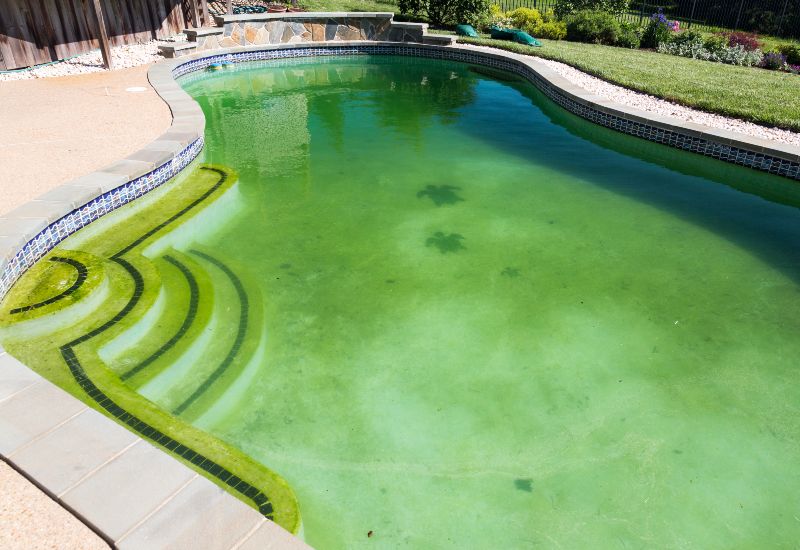
Green water, a yellow tinting, or dark spots on the pool finish can all raise the same question: why is this happening? Algae growth often points to a combination of water chemistry, circulation, and maintenance conditions that need attention. Identifying those conditions is especially important when the problem keeps returning.
For Phoenix pool owners, strong sunlight and windblown debris can add to the demands of pool care. Understanding common algae problems can help you recognize changes early and know when to contact your pool service provider.
What Pool Algae Is?
Algae are microscopic organisms that can enter a pool through the surrounding environment or on items brought into the water. When conditions allow, they multiply in the water or form growth on pool surfaces. An outbreak may appear as discoloration, cloudy water, a slippery coating, or persistent spots.
Appearance alone does not always identify the cause. Dirt, mineral staining, and other water-quality problems can resemble algae, which is why an assessment matters before treatment is selected.
Conditions that contribute to algae growth
Algae is more likely to grow when the sanitizer cannot keep up with the pool’s needs. A chlorine reading alone does not tell the whole story. Water conditions, including pH and stabilizer, also called cyanuric acid or CYA, affect sanitizer performance. A pool can need attention even when a quick test appears reassuring.
Circulation and filtration matter as well. Restricted flow, equipment problems, or areas with limited water movement can make algae harder to control. Debris and other contaminants increase the demands on the sanitizer and filtration system. Consistent care helps keep these conditions from building into a larger problem.
Common types of pool algae
Identifying the type of algae in your pool is the most important step before treatment. Treating the wrong type with the wrong method wastes chemicals, time, and often leads to a quick return of the problem. Each variety has different chlorine resistance, growth patterns, and removal requirements:
- Green Algae – Green algae may discolor the water or create a coating on walls and floors. The water can become cloudy enough to reduce visibility. Green discoloration should be evaluated because other water problems can produce a similar appearance.
- Yellow or Mustard Algae – Mustard algae often resembles a yellowish layer of dirt or sand on pool surfaces. It can be easy to disturb yet quick to reappear. Its persistence makes accurate identification and an assessment of the pool’s conditions important.
- Black Algae – Black algae commonly appears as dark spots or colonies associated with cracks, crevices, and porous finishes such as plaster. A protective outer layer can make it difficult to address. Persistent dark spots need evaluation because algae and staining require different responses.
Why algae keeps returning
A pool may look clearer before the conditions behind an outbreak have been resolved. Recurring growth can be associated with inconsistent sanitizer performance, water balance, limited circulation, filter problems, or remaining growth on surfaces and equipment. Contaminated accessories can also contribute, but they are only one possible factor.
Successful long-term care depends on understanding the whole system. Repeated outbreaks are a reason to review water chemistry and equipment performance together, rather than assuming the pool simply needs more of the same treatment.
Why algae problems deserve prompt attention
Algae can make surfaces slippery, increase the burden on filtration, and reduce water clarity. Poor visibility makes it harder to see someone beneath the surface. Water with an unresolved sanitation problem can also expose swimmers to germs.
Avoid swimming in a pool with visible algae or poor clarity until the problem has been addressed and the water is suitable for use. Clear appearance alone does not establish that the water is properly sanitized.
How professional pool care helps
Professional pool care brings water testing, equipment assessment, and ongoing maintenance together. At Tribal Waters, our service team can evaluate concerns with your pool’s water condition, circulation, and filtration and recommend an approach suited to the pool and its equipment. When algae returns, the goal is to identify the contributing conditions and address them through an appropriate service plan. Consistent maintenance supports that work, although treatment needs and recovery time vary from pool to pool.
Frequently Asked Questions
Does green water always mean algae?
No. Algae is one possible cause, but metals and other water-quality problems can also affect water color. Testing and an assessment help distinguish the cause before treatment is recommended.
Can a pool have algae when chlorine is present?
Yes. A detectable chlorine reading does not guarantee that the sanitizer is effective under all conditions. Water balance, stabilizer level, circulation, and the location of the growth can all affect the situation.
How long does it take to clear an algae problem?
There is no single timeline. Recovery depends on the type and extent of the growth, water conditions, equipment performance, and the service required. An assessment provides a more useful expectation than a fixed promise based on color alone.
When should I contact a pool professional?
Contact your service provider when you notice unusual discoloration, persistent spots, cloudy water, or a problem that returns after treatment. Early evaluation can help identify contributing conditions before they become more difficult to address.
Pool service in Phoenix
If your pool has recurring algae, unexplained discoloration, or declining water clarity, contact Tribal Waters. Our team can assess the concern and discuss maintenance or repair services appropriate for your pool in Phoenix, Arizona.

Common Pool Problems in Arizona & How to Fix Them
Owning a pool in Arizona provides endless enjoyment, but the state’s extreme climate and…