
In-Ground Swimming Pool Types
Understand In-Ground Swimming Pool Types
Living in Phoenix, AZ, means dealing with intense summer heat. Finding a way to cool off is a top priority for most homeowners. Adding an in-ground swimming pool to your backyard provides a private oasis for relaxation, exercise, and entertaining family and friends. Choosing to build a pool is a significant investment. You want a design that complements your home’s architecture while meeting your specific lifestyle needs. With various in-ground swimming pool types available, making the right choice requires careful planning. As you explore below, our team at Tribal Waters LLC Custom Pools & Spas will walk you through everything you need to know about designing the perfect backyard retreat. We will cover the most popular shapes, design enhancements, and maintenance considerations. By the end of this post, you will have a clear vision of what works best for your outdoor space.
What Are In-Ground Pools?
An in-ground pool is a permanent swimming structure built directly into your yard. Unlike temporary above-ground options, these pools are excavated and constructed using durable materials designed to last for decades. For homeowners in Phoenix, custom concrete or shotcrete pools are the standard. These materials offer complete design flexibility, allowing you to create any shape or depth you desire. It is important to note that when discussing types of in-ground pools, we are focusing on custom-built concrete structures. A custom concrete pool seamlessly integrates with your patio and landscaping, adding permanent value to your property.
Factors to Consider When Choosing an In-Ground Pool Shape
Selecting the right shape for your new pool involves more than just aesthetics. Several practical factors will influence your final decision. First, evaluate the size and topography of your yard. A sprawling backyard can accommodate expansive, intricate designs, while a compact urban lot might require a sleek, space-saving layout. The available footprint dictates the maximum dimensions of your pool. Next, consider your primary intended use. If you want to swim laps for daily exercise, a long, straight design is essential. If your goal is to host weekend parties and lounge in the sun, consider expansive shallow areas and built-in seating. Finally, think about your home’s existing architecture. A hyper-modern home pairs beautifully with clean, geometric pool lines. A rustic, southwestern-style home might benefit from softer edges. Matching the pool’s aesthetic to your home creates a cohesive, visually pleasing outdoor environment.
Popular Types of In‑Ground Pool Shapes
When reviewing in-ground swimming pool shapes, homeowners generally choose between a few core categories. Design trends continually evolve, and modern preferences strongly favor clean, architectural lines.
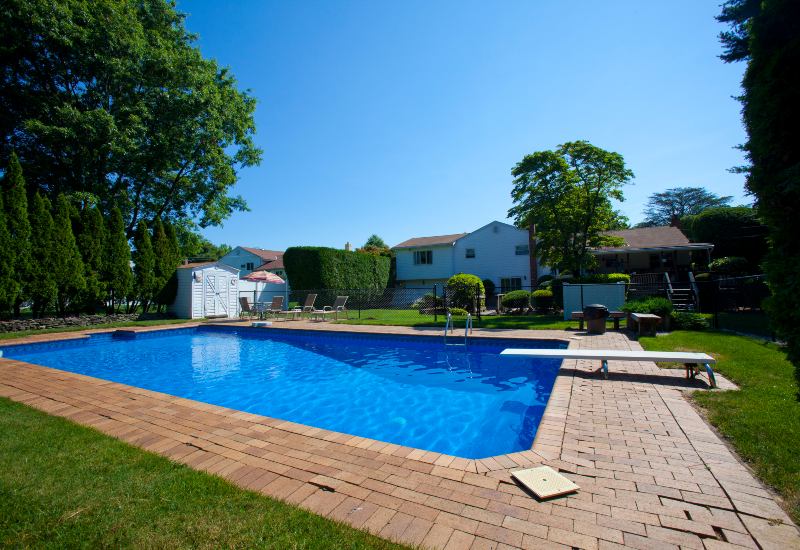
Geometric pools feature sharp angles, straight lines, and perfect symmetry. They often take the shape of rectangles or squares. Currently, straight-line designs are the most popular choice for new pool construction. They offer a highly contemporary, elegant look that maximizes the usable swim space within a given footprint.
An L-shaped pool is a variation of the geometric design. It features a main swimming corridor with a shorter section extending off to one side. This shape is excellent for separating activities. You can use the longer section for swimming laps, and designate the shorter section for wading, relaxing, or shallow entry.
Roman and Greek pools draw inspiration from classical architecture. They start with a rectangular base but feature modified ends. Roman pools have rounded, semi-circular ends, while Grecian pools feature cut corners. These shapes bring a formal, sophisticated elegance to a backyard.
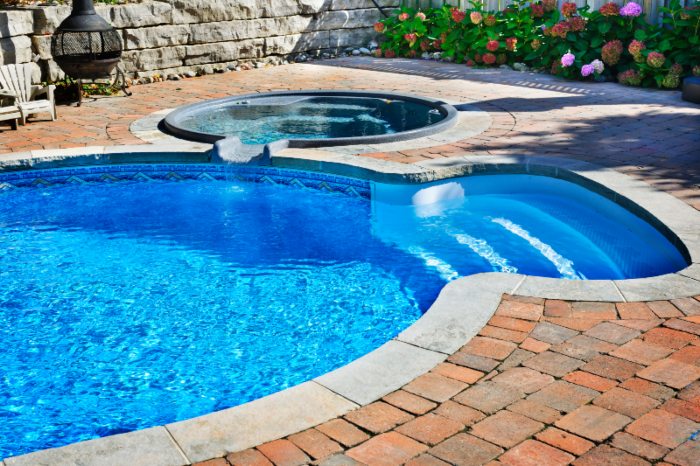
Freeform pools feature flowing, irregular curves that mimic natural bodies of water. While they were highly sought after in the past, many homeowners are now moving away from freeform designs toward the structured look of geometric pools. However, freeform shapes remain an option for yards with unusual property lines or landscaping obstacles.
Benefits of Each In‑Ground Pool Shape
Each pool shape brings specific advantages to your outdoor living space. Geometric and straight-line pools are highly efficient. They offer the longest possible swimming distance, making them ideal for fitness enthusiasts. Because of their straight edges, they are also easier to cover with an automatic pool cover, which helps keep debris out and reduces water evaporation in the Phoenix heat. L-shaped pools offer incredible versatility. They naturally divide the water into different zones. Parents can relax in the shallow “L” extension while keeping an eye on older children swimming in the deeper, main section. Roman and Greek pools provide a timeless aesthetic. They serve as stunning visual centerpieces, especially when aligned symmetrically with the back doors or large windows of your home. Freeform pools excel at blending into existing natural landscapes. If your yard features mature trees, boulders, or an irregular property boundary, a freeform pool can be customized to seamlessly weave around these elements.
Shape-Specific In‑Ground Pool Design Enhancements
The way we decorate and enhance our pools has shifted dramatically in recent years. In the past, massive rock waterfalls and faux-boulder slides were incredibly popular. Today, homeowners are moving away from these heavy, naturalistic features. The current trend favors sleek, refined, and minimalist enhancements that complement straight-line designs. For geometric pools, sheer descents are a favored water feature. These create a thin, elegant sheet of water that falls silently into the pool, providing a sophisticated look and a calming sound. Fire bowls placed on sleek pedestals at the pool’s corners create a striking contrast between fire and water, perfect for evening entertaining. Tanning ledges, also known as Baja shelves, are highly requested across all pool shapes. These large, shallow areas allow you to place lounge chairs directly in the water. They are the perfect spot to cool off without fully submerging, and they provide a safe play area for small children.
Maintenance Considerations for Each In‑Ground Pool Shape
Keeping your pool clean and chemically balanced ensures a safe swimming environment and protects your investment. The shape of your pool can impact your maintenance routine. Straight-line and geometric pools feature sharp 90-degree corners. Debris and dirt can sometimes accumulate in these corners, where water circulation may be slightly lower. When brushing the pool walls, pay special attention to these angles to prevent algae buildup. Freeform pools, with their sweeping curves, often benefit from excellent water circulation. Without sharp corners, automatic pool cleaners can navigate the walls and floor easily, picking up sunken leaves and dirt. Regardless of the shape, living in Phoenix means dealing with high evaporation rates and occasional dust storms. Running your pump for the appropriate amount of time, regularly cleaning your filters, and maintaining proper chlorine and pH levels are mandatory for all in-ground swimming pool types.
Why Choose a Professional Pool Designer
Designing and building a custom concrete pool is a complex construction project. It involves heavy excavation, intricate plumbing, high-voltage electrical work, and structural engineering. Attempting to manage this process without professional expertise often leads to costly mistakes and delays. A professional pool designer understands the specific soil conditions and zoning regulations in Phoenix, AZ. They handle the necessary permits, ensure the structural steel is correctly engineered, and guarantee the plumbing is optimized for energy efficiency. Hiring an experienced team ensures your pool is built safely, legally, and beautifully.
How Can We Help You with In-Ground Pool Construction?
At Tribal Waters LLC Custom Pools & Spas, we specialize in transforming your backyard with your personal vision. As a family-owned company since 2006, we understand the Phoenix climate and design custom concrete pools built to endure the desert environment. Whether you want a sleek, modern straight-line pool for morning laps or a classic Roman design for entertaining, our expert team handles every step of the process. We work closely with you to select the perfect shape and modern design enhancements, ensuring your new pool perfectly matches your lifestyle. From the initial 3D design to the final plaster application, we deliver high-quality craftsmanship and exceptional customer service.
FAQs
Investing in a custom pool is a significant decision that transforms your home and lifestyle, but it often raises many questions about the process, timeline, and maintenance. To help you feel confident in your journey with Tribal Waters LLC Custom Pools & Spas, we have compiled answers to the most frequently asked questions from our Phoenix clients. Whether you are curious about the technical aspects of 3D modeling or the specifics of the construction phases, the following information provides the clarity you need to move forward with your backyard transformation.
The construction timeline for a custom concrete pool in Phoenix typically ranges from 8 to 12 weeks. This timeframe can vary depending on the design’s complexity, the permitting process, and weather conditions.
Yes. Automatic pool covers are an excellent addition, particularly for straight-line and geometric pools. They help maintain water temperature, reduce evaporation, and keep the pool free of debris.
While it is technically possible to add a spa later, it requires significant demolition, plumbing modifications, and structural integration. It is highly recommended to include a spa in your initial pool design to save time, money, and stress.
Ready to Transform Your Backyard?
Do not spend another Phoenix summer wishing you had a place to cool down. Contact us today to schedule your initial design consultation. Let our team of experts help you create the perfect custom pool for your home.